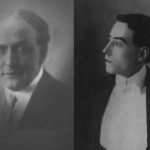
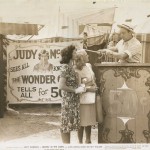
49 Camp On The Carnival Midway
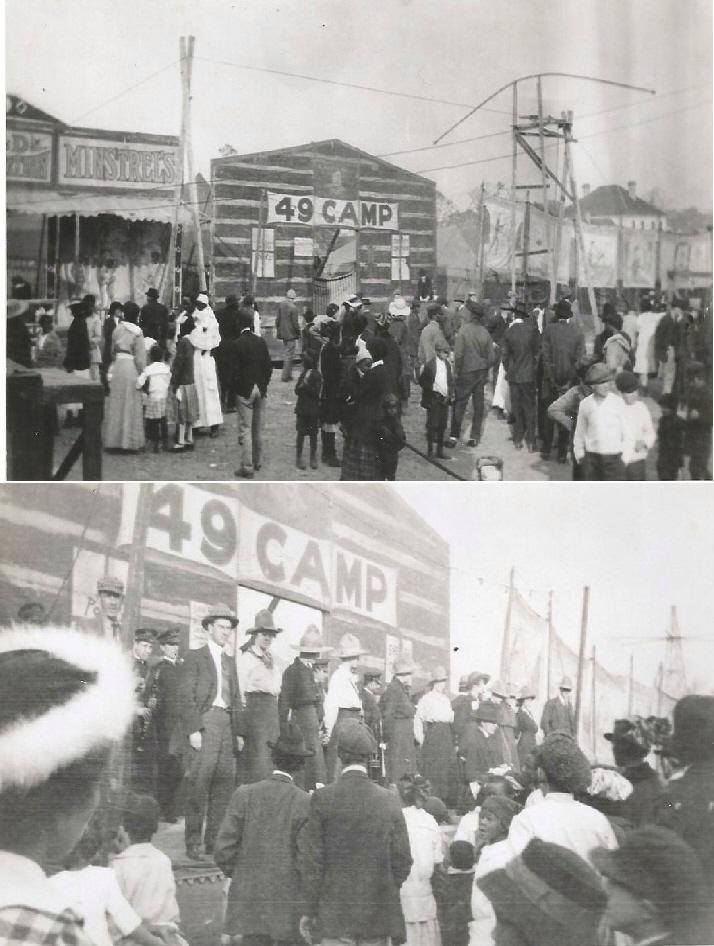
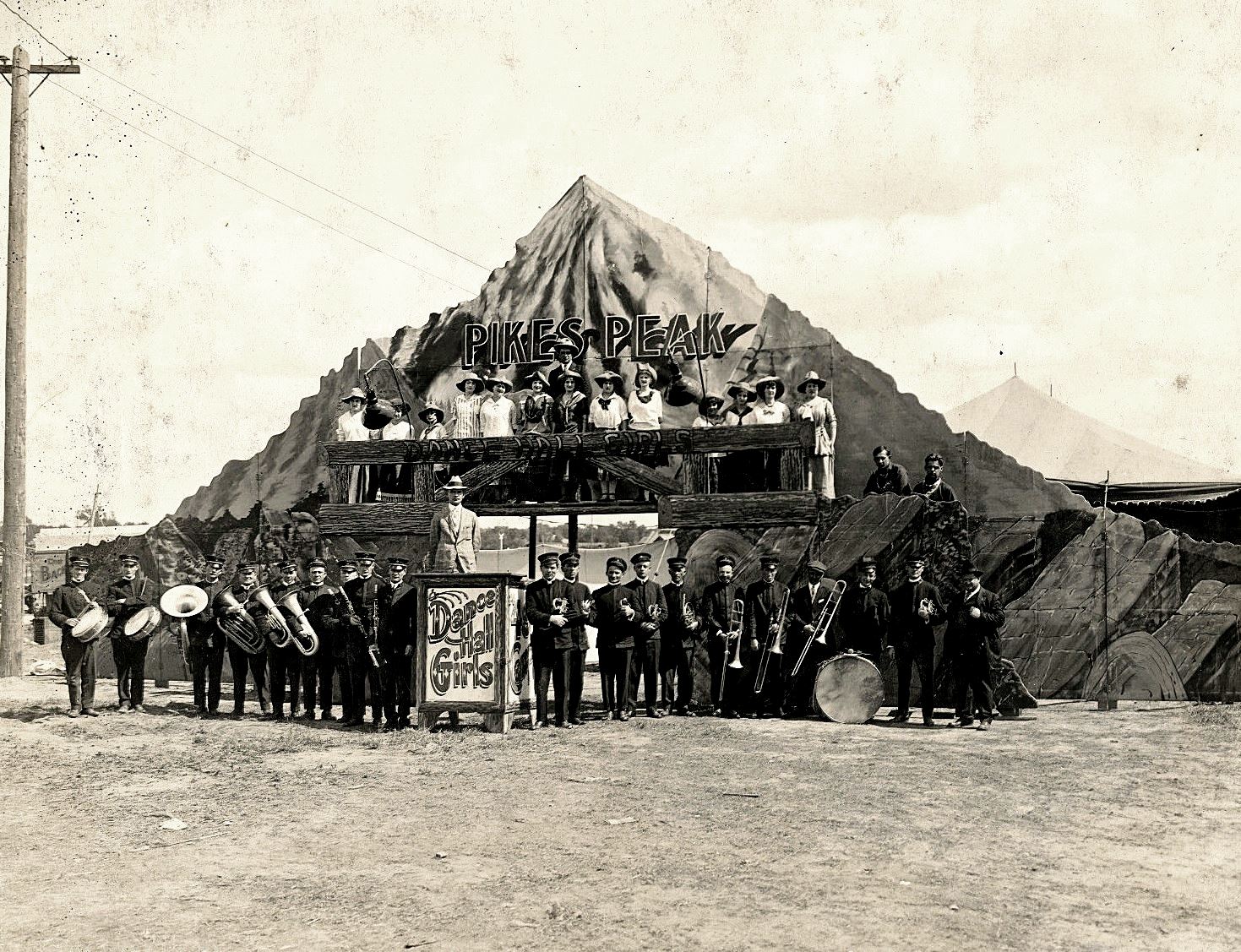
An early 1900’s midway attraction, supposedly originated by a man named Sam Davis, was the notorious 49 Camp. These attractions were modeled after early gold rush mining town saloons in San Francisco’s infamous Barbary Coast. Patrons were offered dances with young ladies at 10 cents a dance plus tips ( and often, accommodations in one of the show Pullman cars ). The ‘camps’ had a piano player at one end of the tent, a whiskey bar at the other, and a dance floor with girls sitting along the sides on stools in the middle. The girls were paid a fixed rate per dance plus tips. A floor manager was paid a percentage of the gross to keep things moving along so on big days, the dances got shorter and shorter.
Foley & Burke had one operating in 1909, as did Rice & Dore, Nat Reiss, and The Mighty Sheesly Show as late as 1914.
Sam Davis even produced a whole 49 town for the 1894 Mid Winter Exposition in San Francisco. There were stagecoach rides where people were robbed of their loose change by masked riders. Staged lynchings, gun fights, and mineral claim riots were also features. Once, when a fake stabbing took place and several woman fainted, the floor manager, a man named Ruffe Love, shouted “roll the corpse down the stairs and grab your partners for the next dance !”
The 49 camp midway operators focused on the saloon and dance girls because they were the most profitable, and most carnivals already carried a large Wild West show at the time, focusing on other cowboy activities.
The combination of men, free flowing booze, and available women made these places veritable powder kegs. Fights broke out with frequency, and knife and gun fights often led to the local constabulary being hastily called in. Their reputation became so bad that no show with a 49 camp on their midway could book a decent spot, and they eventually just faded away.
The 1894 California Midwinter Fair 49 Camp was added to many midways in addition to other shows. Visitors to the 49 Camp California Midwinter Fair 40 Camp, included “elite businessmen and journalists, partook of flapjacks, beans, and bad manners here in order to capture the experience of the wild west.”
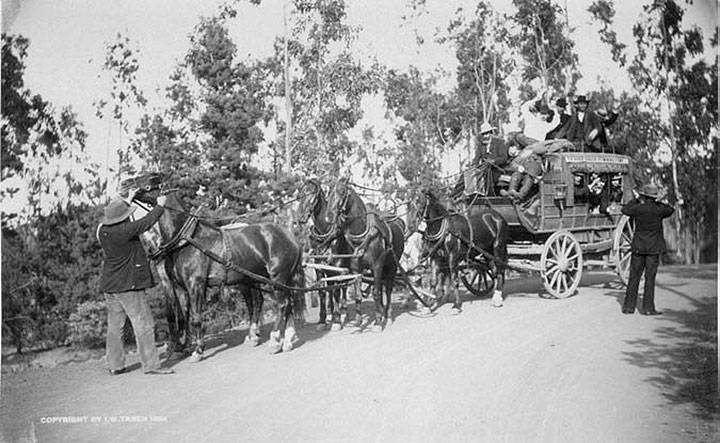
The California Midwinter International Exposition of 1894, often associated with the momentum of the 1893 Chicago World’s Fair, was a major World’s Fair held in San Francisco’s Golden Gate Park from January to July 1894. Conceived by M.H. de Young, it aimed to boost California’s economy, featuring the 270-foot Bonet Electrical Tower, diverse agricultural exhibits, and over 2 million visitors.
Key Details of the 1894 Fair:
- Purpose & Conception: Following the 1893 Chicago World’s Columbian Exposition, Michael H. de Young, publisher of the San Francisco Chronicle, sought to bring similar international attention to California, which was experiencing an economic depression.
- Location & Timing: Held in Golden Gate Park (now the Music Concourse area) in San Francisco, it operated officially from January 27 to July 5, 1894.
- Key Attractions:
- Electric Tower: A 270-foot, 120,000-lamp “Electric Tower” designed by A. Page Brown dominated the grounds.
- Main Buildings: Featured Fine Arts (the only building designed to be permanent), Mechanical Arts, Horticulture & Agriculture, and Manufacturers buildings.
- Highlights: Included a “Cairo Street” exhibit, a “Dante’s Inferno” ride, and unique agricultural sculptures like a knight made of prunes.
- Impact: Despite being a regional fair without federal funding, it was highly successful, drawing over 2 million attendees and showcasing California’s resources, including a prominent, million-dollar fur exhibit by H. Liebes and Company.
“The fair successfully brought the “World’s Fair” experience to the West Coast, acting as a significant, albeit smaller, successor to the 1893 Chicago event.”