ED A. Evans Greater Shows
Timeline of Growth and Operation
Timeline
- Pre-1910 (Foundational Years)
Ed A. Evans emerges in the traveling amusement field - c. 1910–1912
Formation and early expansion of what becomes Ed A. Evans Greater Shows. Transition from smaller operations into a structured traveling carnival. - 1913–1915
Show grows in size and organization. Begins appearing more consistently in trade publications.
Increasing demand for performers, concessions, and attractions signals scaling midway operations. - 1916 (Confirmed Strong Season)
Reported in The New York Clipper as having “one of the best seasons in their history.”- Expansion of equipment
- Strengthened route bookings
- Preparation for larger winter quarters
- 1916–1918
Continued growth period documented in Billboard:- Active hiring of performers and concessions
- Evidence of a multi-attraction midway
- Likely increase in transportation capacity (possible rail movement—needs confirmation)
- Late 1910s (Peak Expansion Period)
Show operates across Midwest circuits (Missouri, Kansas, Illinois and surrounding regions).
Indicators of scale:- Organized staff structure
- Established booking routes
- Repeat engagements at fairs and celebrations
- Winter Quarters — Independence, Kansas
Established as base of operations:- Equipment
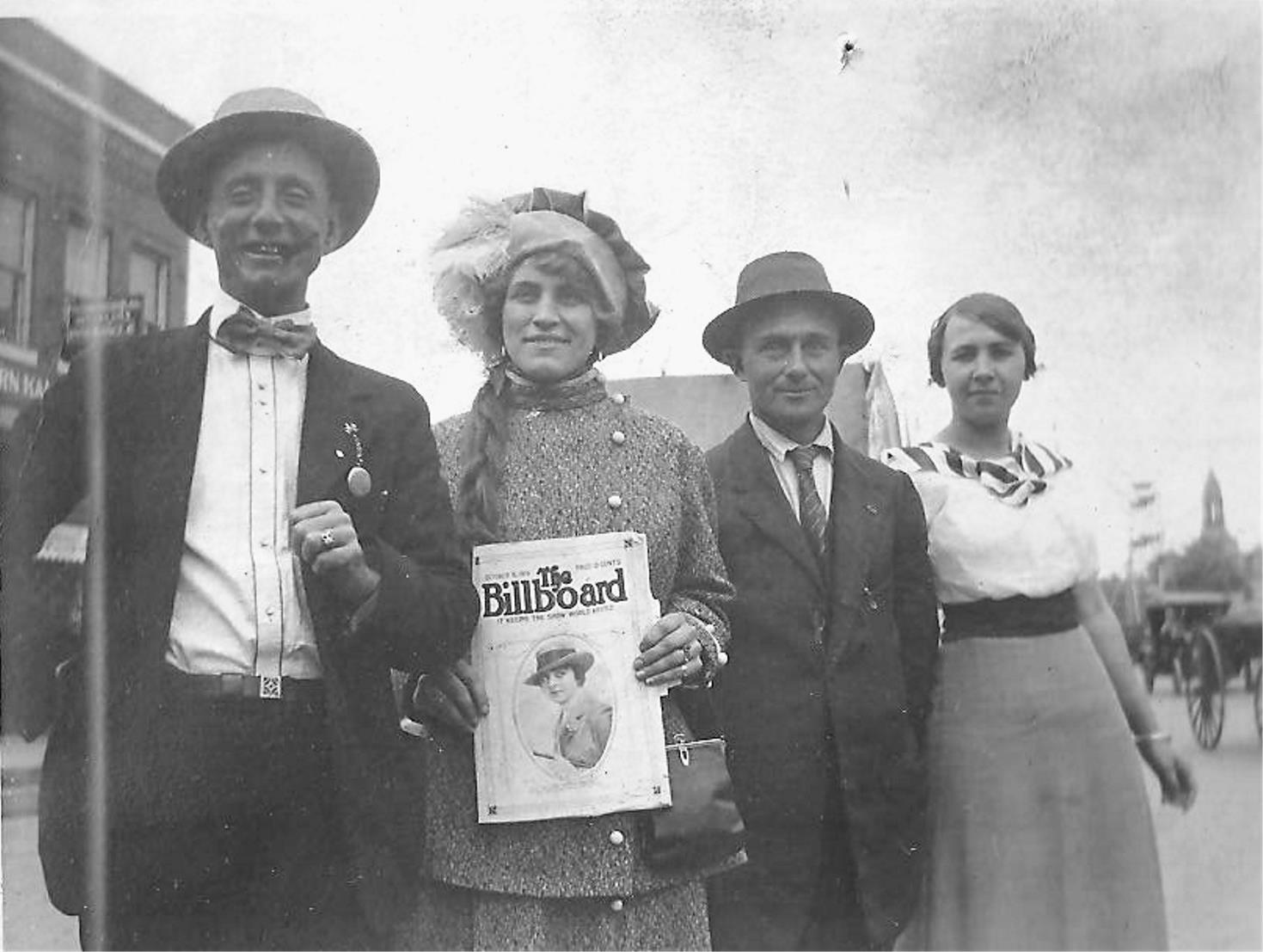
Ed A. Evans Greater Shows was a traveling carnival active during the early 1900s and remembered as one of the larger American outdoor amusement organizations of its era. The show was based out of Independence, Kansas, and appears repeatedly in Billboard and trade references during the 1910s and early 1920s.
A Kansas-Based Carnival with National Reach
Ed A. Evans built his Greater Shows during a period when American carnivals were growing from small street-fair aggregations into organized traveling amusement companies. By 1916, The New York Clipper reported that the Ed A. Evans Greater Shows had closed “one of the best seasons in their history” and moved paraphernalia into new winter quarters.
The show’s route and advertisements place it across Missouri, Kansas, Illinois, and other fair and celebration towns. Billboard issues from 1916–1920 show Ed A. Evans Greater Shows actively advertising for performers, concessions, and show personnel, evidence of a substantial working midway operation.
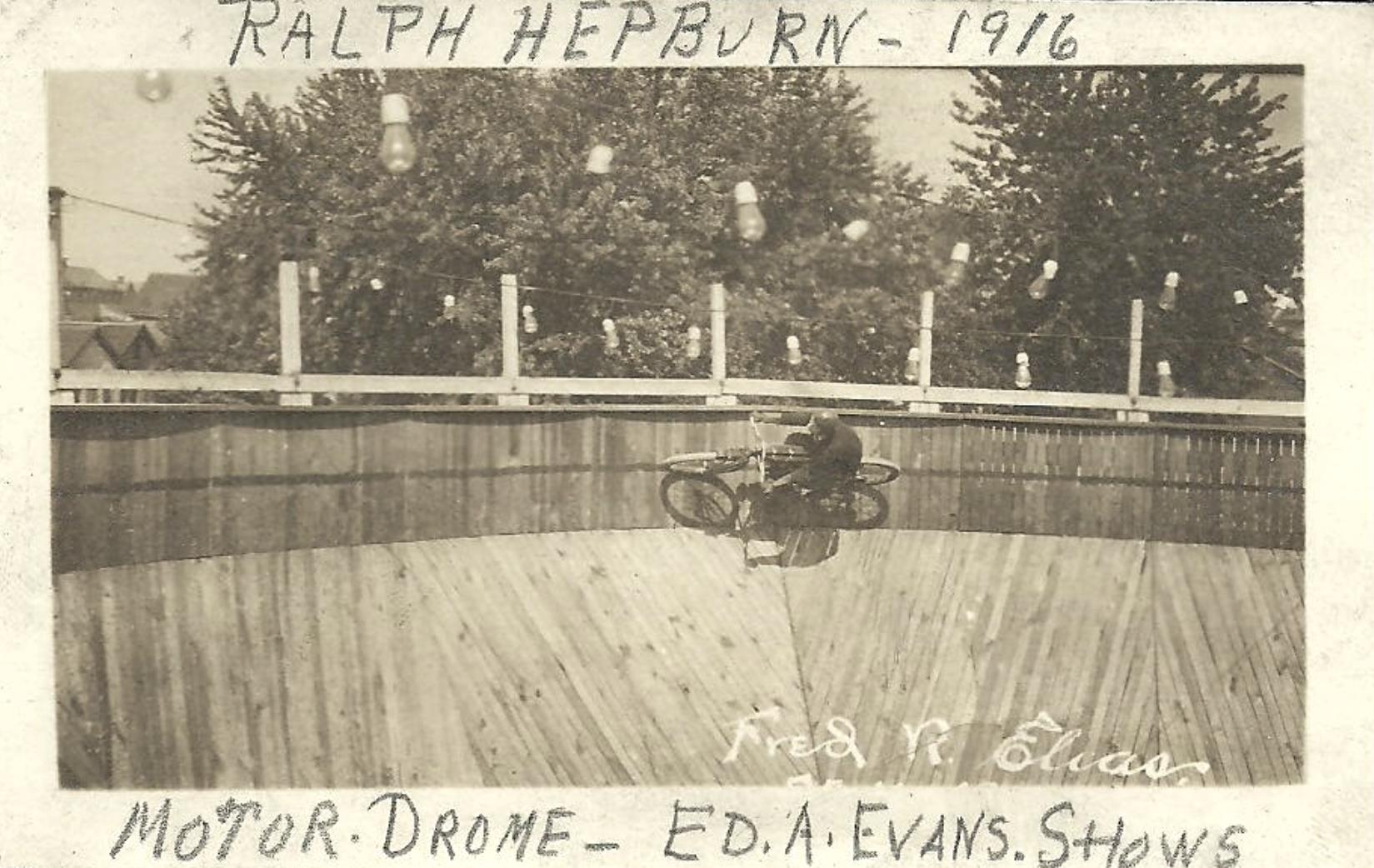
Mud, Rain, and the Midway
A June 1915 report in The New York Clipper captured the day-to-day realities of the Ed A. Evans Greater Shows during a difficult stretch through Nebraska.
Heavy rains and deteriorating roads prevented many rural patrons from reaching the grounds, severely affecting attendance despite otherwise favorable business prospects. The article noted that “country folks have been unable to get into town on account of the condition of the roads,” illustrating how dependent early carnivals remained upon weather and primitive transportation infrastructure.
Despite these setbacks, the Evans organization continued expanding. New concessions appeared weekly, additional performers joined the midway, and the show maintained a stable lineup of attractions throughout the season.
The article also reveals the close relationship between carnivals and their communities. On Memorial Day, Evans loaned the show band to the Grand Army of the Republic to escort veterans to local ceremonies — a reminder that traveling shows often became important parts of civic celebrations in small American towns.
Shows, Staff, and Midway Life
Like many carnivals of its generation, Ed A. Evans Greater Shows depended on a network of performers, musicians, concessionaires, show builders, agents, and advance men. Advertisements show the company seeking acts and concessions, reflecting an active, growing midway operation.
The show also appears in later biographical references connected to performers such as Rube Dalroy, who worked with Ed A. Evans Greater Shows before moving into vaudeville and film.
Legacy
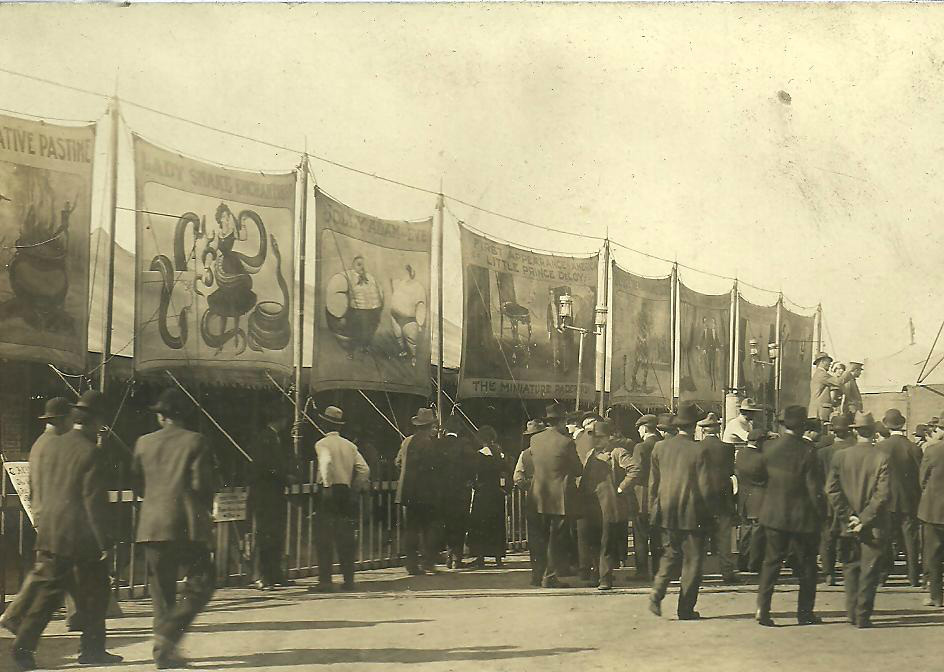
Ed A. Evans Greater Shows belongs in the story of early American carnivals because it represents the maturing generation of traveling midway companies: organized, regionally rooted, and mobile enough to serve fairs, celebrations, and civic events across multiple states. Its Independence, Kansas base makes it especially important in tracing the growth of carnival winter quarters and Midwestern show routes.
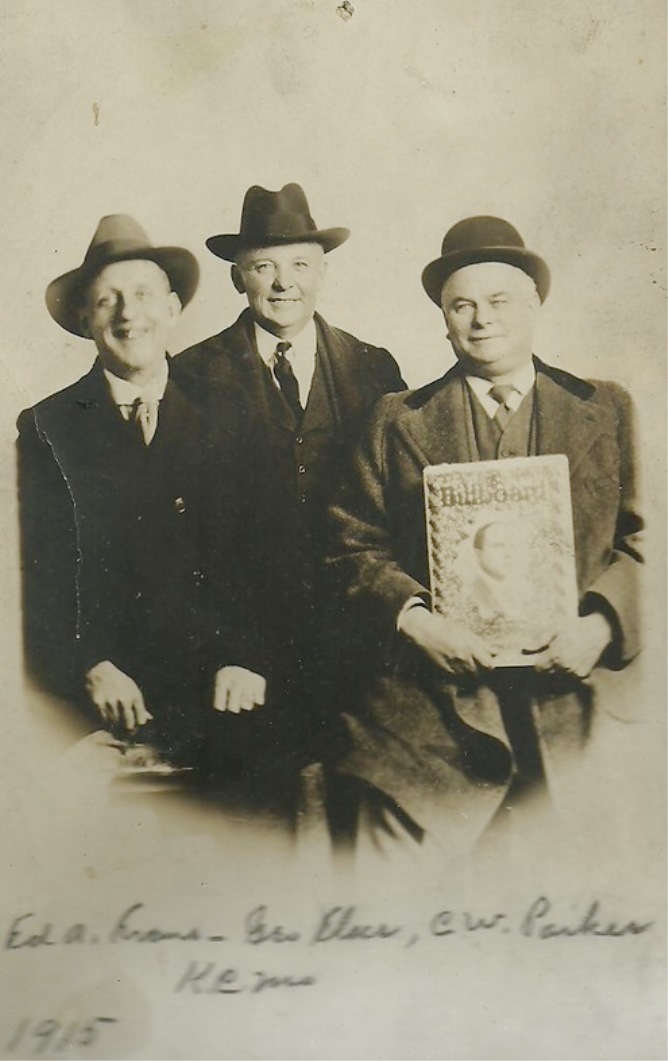
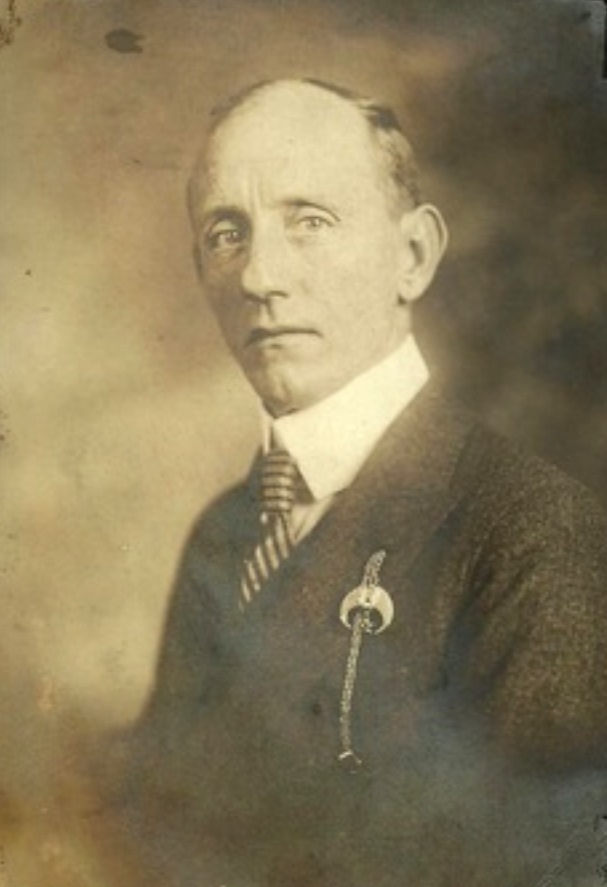
Notice the one with Ed A Evans and C. W. Parker together…what a GEM!!!
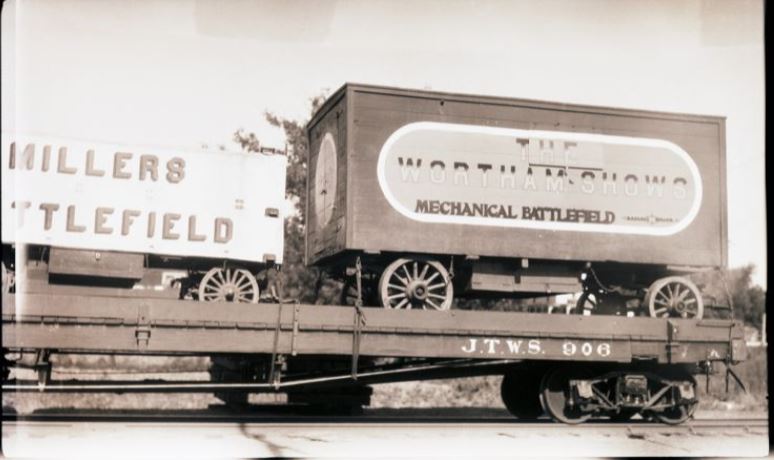
And I just love any and all photos of the C.A. Wortham Shows because they were one of the prominent pioneers of our industry where many other showbusiness legends made their bones.