Derby Races, Popular Midway Game
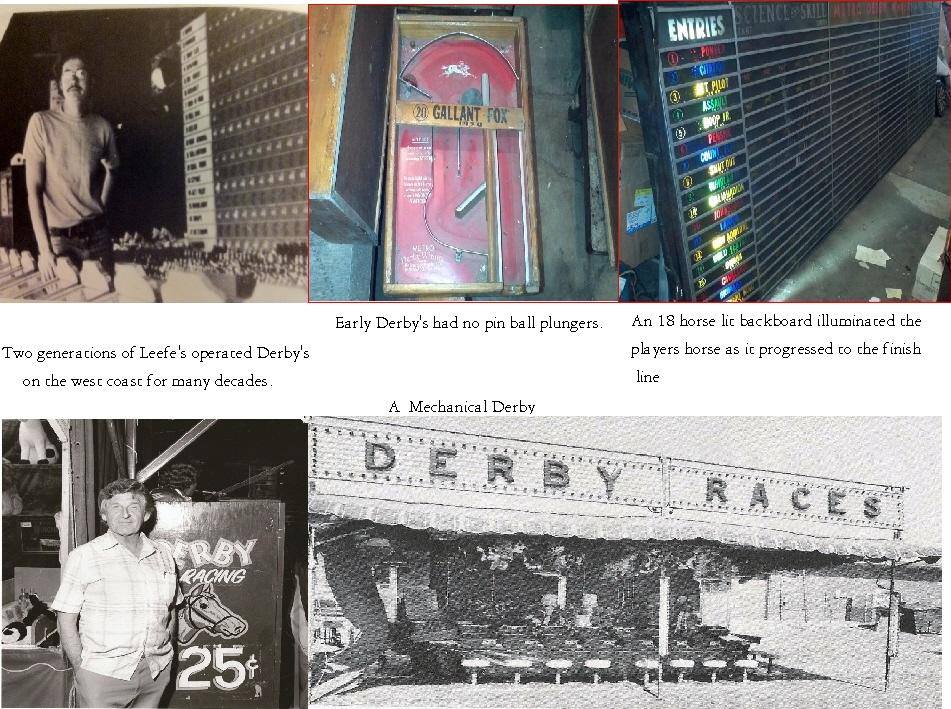
The thing about ‘group games’ is that one of the players is guaranteed to win every time. The concept of a group game isn’t new. Bingo is an example of a group game that’s been around a long time. One of the most popular of these, for many decades, was the 18-horse mechanical pinball Derby.
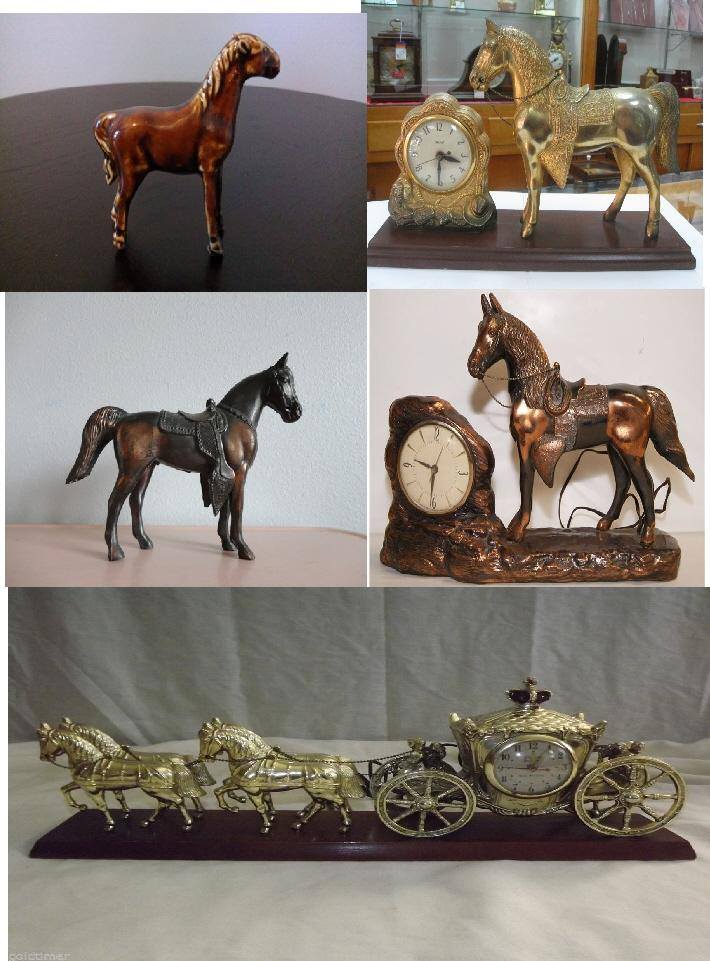
Pinball plungers sent a steel ball shooting down and around narrow alleys and across various tiny steel pins inside a short wooden cabinet. ( Early Derbys simply rolled a hard rubber ball over the pins in the cabinet.) The cabinet pins were connected electrically to the back board through a series of electronic relays, making the players’ lit horse move one, two, or three jumps across the board at a time. An announcer sat in a high wooden box in the corner and excitedly called the races like he might at a regular horse racing track, like Santa Anita. The first player to reach the end of the board was declared the winner and received their prize. The winner received a small bronze colored plastic horse for his first win, then traded it for silver for the next win and gold for the third. Then they moved up to the next size and started the color process all over again, eventually moving up to the larger, heavy cast metal horses. It was a long stretch to get to the grand prize of the Cinderella Carriage Clock but the players could bring their wins back every year, year after year, and continue where they left off. At the price of a dime a game, some players sat for hours, nobody lost very much money, and the grand prizes ( the bronze, silver, and gold Horse Clocks and finally the Cinderella Carriage Clock) were all made in America by the United Clock company and had great movements in them that kept perfect time for years. Many a mid-20th century home had its mantelpiece graced by one of these beautiful, ornate clocks.
Derbys were a hot item right up to the 1970’s when their popularity waned. The price of the metal horses rose to make them cost prohibitive. Operators found that at a dime, they had a perpetual winner, but raising the price to a quarter or more to compensate for the additional stock prices and increased price of the privilege (which seemed to go up every week) made people shy away. Also, it seemed like folks didn’t have the patience to sit for hours playing carnival games like this anymore. You’ll see brightly lit and glitzy, modern versions of the derby on today’s midways, but mostly they play for a single stuffed toy prize and barely resemble the old pinball derby. And at a dollar or even two per play, nobody stays around very long.