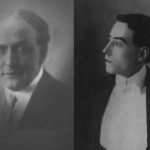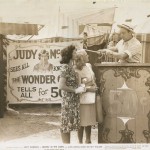
THE DEKREKO BROTHERS BIOGRAHIES
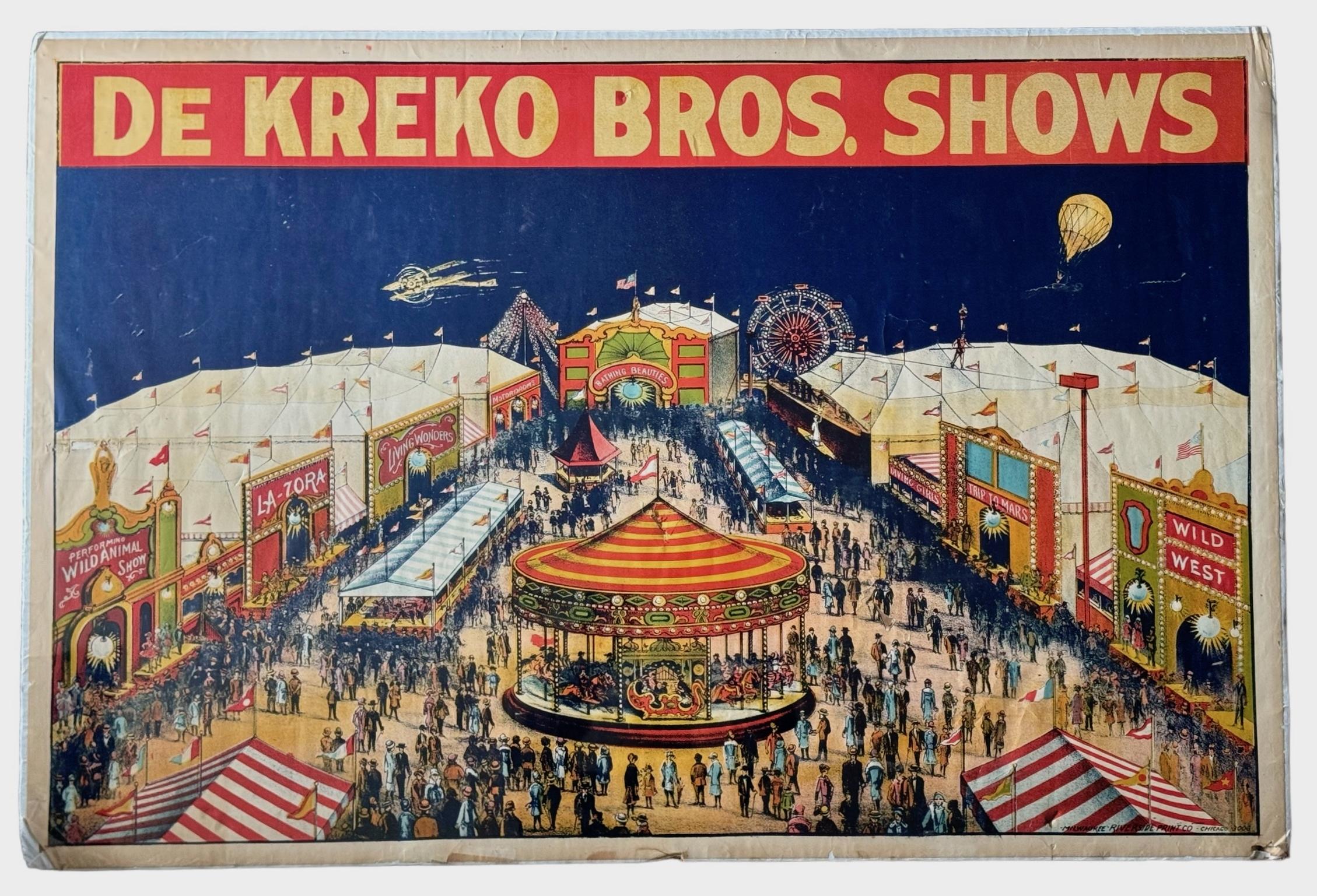
DeKreko Brothers Shows
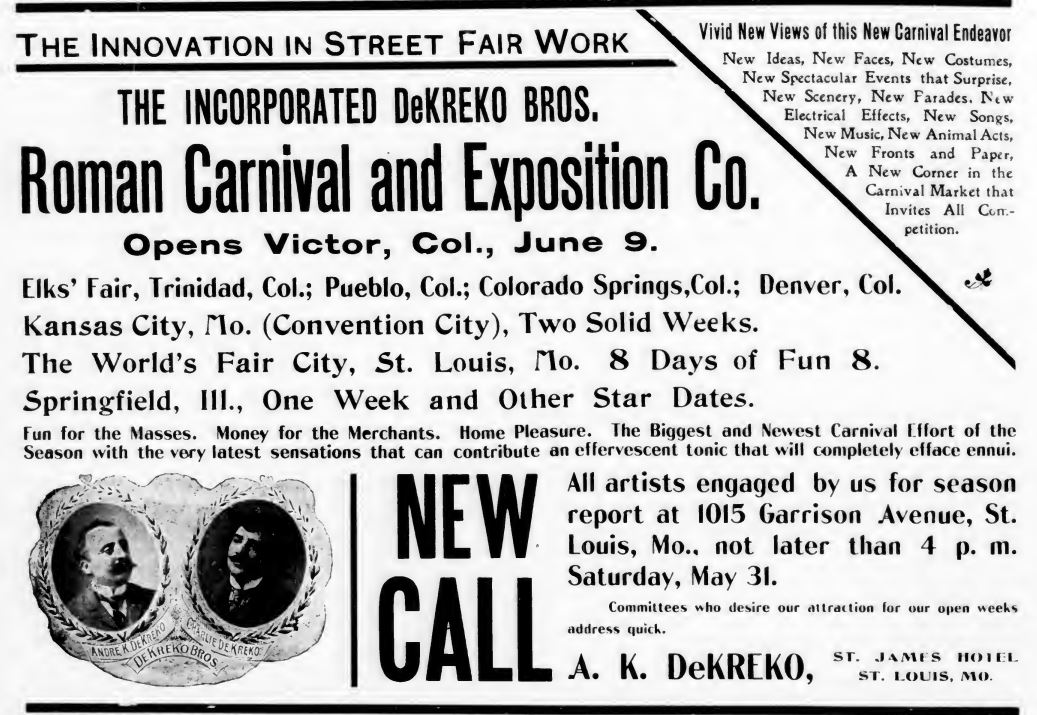
The DeKreko Brothers were actors at the Columbian Exposition in Chicago in 1893. They learned all about the carnival midway from seeing the Midway Plaisance. They knew the people of the midway and took notice. They even set out with the first carnival and Otto Schmidt and the Chicago Midway Plaisance Midway Amusement Company, From there, they gained experience. Together the brothers created, built, and booked their DeKreko Brothers Shows.
Andre DeKreko (1861–1931)
Charles S. DeKreko (1872–1942)
Jean Azize DeKreko (1873–1943)
Gabriel Garabed DeKreko (1868–1950)
George Garabed DeKreko (1876–1919)
Hovsep “Joe” DeKreko (1888–1947)
YEARS OF OPERATION AND CARNIVAL COMPANY NAMES FOR THE DEKREKO BROTHERS
- 1902 – DeKreko Brothers Roman Carnival & Exposition Company
- 1903 – 1906, 1915, 1926 – American Amusement Company
- 1914 -1929 DeKreko Brothers Shows
Origins of the American Midway — As Remembered by Jean Azize DeKreko
“I am not the oldest in the carnival and midway branch of the American amusement business, but I am one of the pioneers… I went through the mill.” —Jean DeKreko, Billboard, March 21, 1925
Jean remembered the beginning.
He remembered the bright lights of the 1893 World’s Columbian Exposition, the Midway Plaisance, the carved wagons of Noah’s Ark, the Irish sand, the camels of Cairo, the hunger in LaGrange, the fire in Chicago, the triumph in Omaha, and the long road through Mexico.
He remembered the moment the word carnival was born as he was there with Otto Schmidt.
And he remembered his brothers — each one carrying a piece of the rhythm.
The DeKreko Brothers Biographies gathers them together again. They left an imprint on the American Carnival.
THE DEKREKO BROTHERS
Andre Krekor DeKreko (1861–1931)
The Architect • Manager • Visionary
Andre was the eldest and the guiding force. He founded the Streets of Cairo in 1894, rebuilt it after the 1897 Coliseum fire, and led the Roman Carnival — a spectacle of chariots, lions, and the “Burning of Rome.” He partnered with Baba Delgarian and Percy J. Munday to form one of the earliest true American carnivals.
He retired in Havana, returned to St. Louis, and died with his brothers at his bedside.
Signature Line: He built cities of illusion, and the midway remembered.
Charles S. DeKreko (1872–1942)
The Builder • Manager • Quiet Backbone
Charles helped manage the Roman Carnival and toured Cuba with Andre. He was publicly described in 1930 as “well‑known in carnival circles,” confirming his lifelong presence on the midway. He stood beside Andre at his deathbed — a testament to their bond.
Signature Line: He didn’t seek the spotlight — he held the tent poles steady.
Jean Azize DeKreko (1873–1943)
The Storyteller • Performer • Chronicler of Origins
Jean performed, managed, and later became a shoemaker. His 1925 Billboard article is one of the only firsthand accounts of the birth of the American carnival. He lived in Hot Wells, Texas, and carried the troupe through fire, hunger, and reinvention.
Signature Line: He stitched silk and soles, and carried the rhythm forward.
Jean DeKreko’s Wife –Saida DeKreko (1879–1932)
Saida arrived in 1893 and was listed as an actress in the 1920 census.
Signature Line: She answered: “Actress.” And the tents remembered her name.
Gabriel Garabed DeKreko (1868–1950)
The Steady Flame • Actor • Quiet Presence
Gabriel lived in Oklahoma, Texas, Chicago, and Louisville. He was listed as an actor in the 1900 census and traveled with the family through the early midway years. He never married, but he never left the rhythm.
Signature Line: He held the rhythm, even when the music faded.
George Garabed DeKreko (1876–1919)
The Early Performer • Actor • Southern Circuit
George was part of the 1900 Oklahoma troupe and helped carry the show through its southern circuit. He died young, but his presence is preserved in census records, directories, and the memories of the tents.
Signature Line: He answered the census taker: “Actor.” And the archive remembered.
Hovsep “Joe” DeKreko (1888–1947)
The Youngest • Quiet Keeper • Loyal Brother
Hovsep arrived in 1913 and lived in Hot Wells and Louisville. He was listed in the 1921 city directory as part of the DeKreko Bros Shows. His obituary named him simply “Joe,” but the archive knows him as Hovsep.
Signature Line: He stood behind the curtain, and the rhythm remembered him.
They weren’t just performers. They were builders of rhythm, carriers of memory, and quiet architects of spectacle.
More Facts Coming Soon