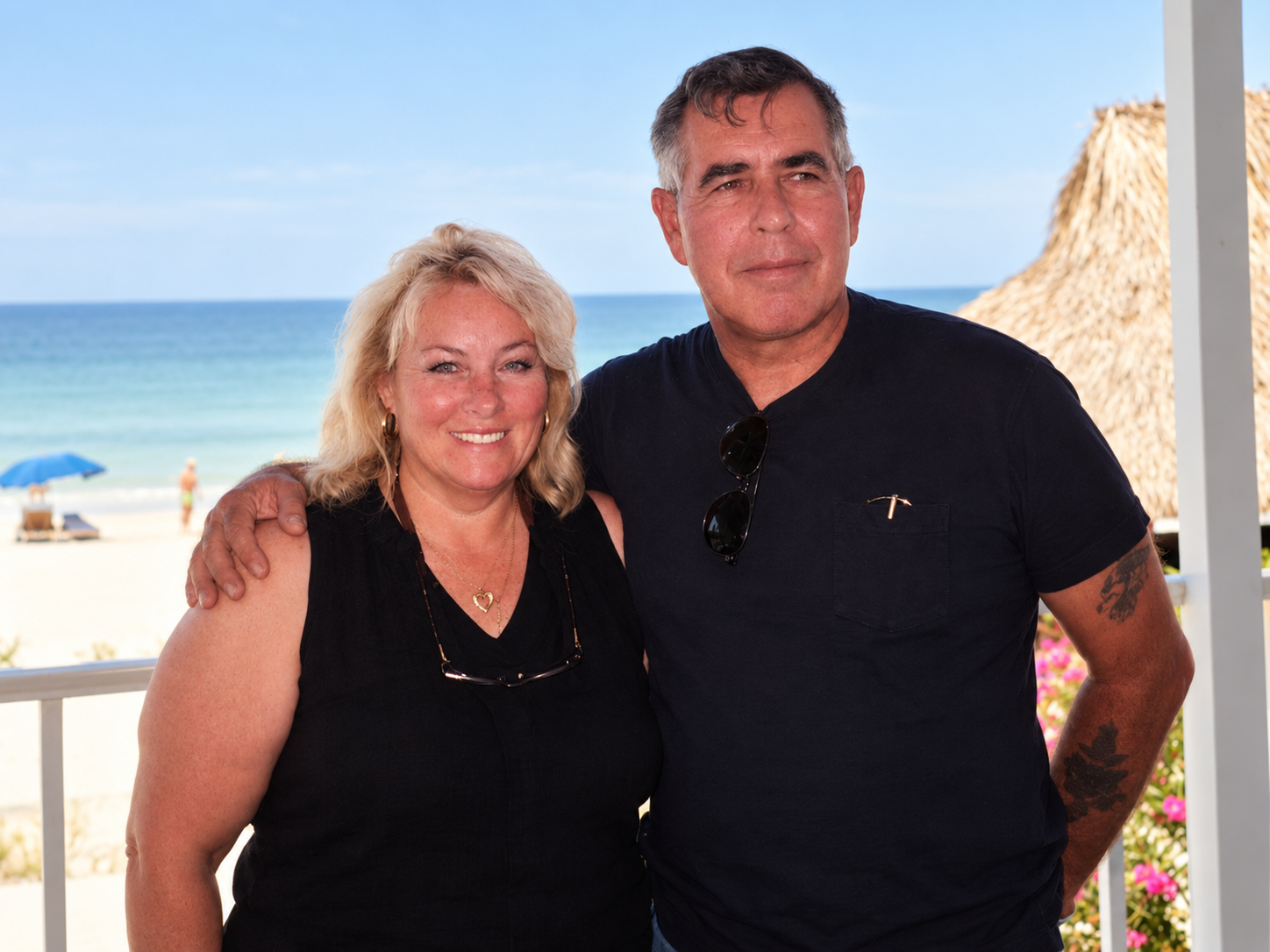
Debbie Rivera & David “Doc” Rivera
Curators and Keepers of the Stories of the American Midway
The American Midway Archives grew from two people who approached carnival history from different directions but shared the same belief: the history mattered because the people mattered.
Debbie Rivera researched the people.
David “Doc” Rivera read the show.
Together, their knowledge created a way of seeing the American midway that went beyond names, dates, rides and equipment. Debbie wanted to know who the men and women were—their families, partnerships, hardships, ambitions, failures, friendships and the lives they built on the road. David could look at an old midway photograph and see clues others might miss: a front gate, a light tower, a railroad car, the construction of a wagon, the arrangement of a midway. His passion was studying the history of the American Midway.
Today, those two ways of seeing history form the curatorial foundation of The American Midway Archives.
David “Doc” Rivera
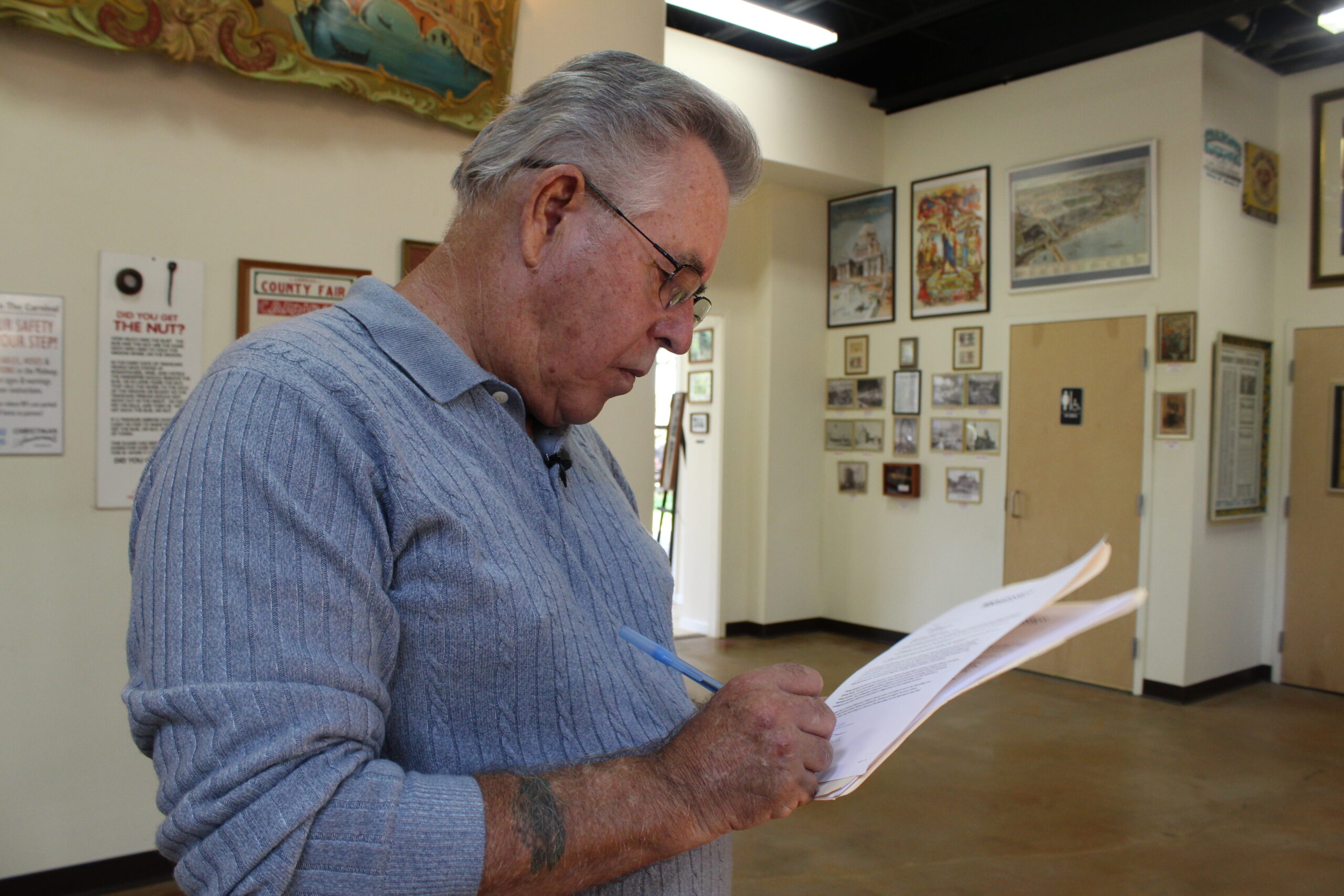
David “Doc” Rivera devoted much of his life to the amusement industry and the preservation of its history.
He knew the midway not simply as a historian or collector, but from experience. He had worked on the road, including with West Coast Shows, and understood the machinery, transportation, people, and working culture behind what the public saw when a carnival came to town.
That experience shaped the way he studied historical photographs.
David taught Debbie that carnival companies had identities that could be read visually. Front gates were different. Light towers were different. Show trains, wagons, lettering, equipment, and midway arrangements could provide clues to whose show was pictured—even when a photograph carried little or no identification.
His questions were often:
Whose show was this?
What was on the midway?
How long did they operate?
Where did they operate?
That way of looking at history has become an important part of the American Midway Archives’ Visual Identification research methodology.
David later served for approximately fourteen years as Executive Director and Curator of the International Independent Showmen’s Museum. He researched, collected, interpreted, and built exhibits intended to preserve the history of an industry he loved. He was also the author of Sawdust Trails.
But titles alone do not explain David’s relationship with this history.
He understood that an artifact without its story eventually becomes simply an object.
He wanted people to know what they were looking at, who had used it, how it worked, where it traveled, and why it mattered.
Debbie Rivera
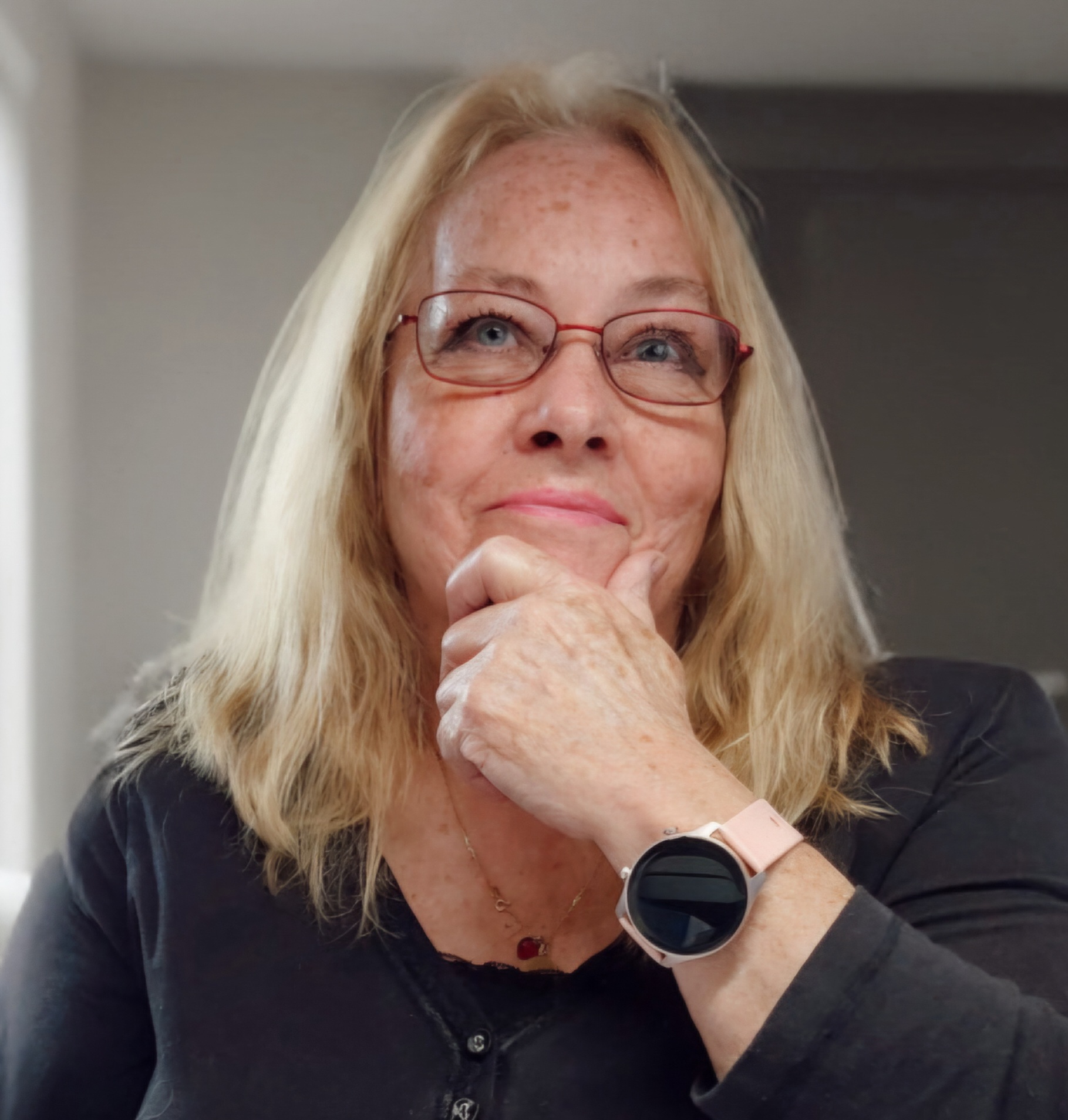
Debbie Rivera is the Curator and founder of The American Midway Archives.
For years, while David studied shows, equipment, and the physical evidence of the midway, Debbie found herself drawn repeatedly to another question:
Who were you?
Her research follows showmen and showwomen beyond the brief descriptions that often survive in carnival histories. She searches newspapers, trade publications, census and genealogical records, obituaries, cemetery records, photographs, advertisements, route information, first-person recollections, and other historical sources to reconstruct the person behind the name.
Her goal is not simply to determine what company someone owned or when a show traveled.
It is to give that person a home in history.
The Archive’s formal philosophy reflects that commitment: it is ultimately about preserving people, creating a human historical record, and ensuring that the brave men and women of the midway are remembered in a human way.
Debbie’s research also recognizes that history is rarely contained in a single source. Contemporary newspapers, The Billboard, The New York Clipper, census records, family records, photographs, later recollections, and industry histories can sometimes tell different versions of the same event.
Those differences are not erased.
Sources are preserved according to their provenance, uncertainties are identified, and new evidence can be added as it is discovered. The Archive’s governing principles are Accuracy Before Speed, Human First, and Context Creates Meaning.
Two Ways of Seeing the Midway
For many years, Debbie and David naturally divided the work according to what each did best.
She researched the people. He read the show.
Debbie might look at a photograph and wonder about the man standing in front of an attraction.
David might look at the same photograph and recognize the construction of the front, the style of the light towers, a railroad car, or another physical detail that could help identify the show.
Neither perspective was complete without the other.
That realization has become what the Archive calls the Rivera Two-Lens Research Method:
The Person
Who were they? Where did they come from? Who was their family? What did they build? Who did they work with? What happened to them? How should they be remembered?
The Show
Whose midway was this? What did it look like? What equipment did it carry? How did it travel? What was on the midway? Where did it play? How did it change?
Together, those questions connect:
SHOWMAN ↔ CARNIVAL COMPANY ↔ VISUAL IDENTIFICATION ↔ EQUIPMENT & TRANSPORTATION ↔ MIDWAY ↔ ROUTES ↔ COMMUNITY
That is increasingly how The American Midway Archives is being built.
After David
David died on December 14, 2024.
David’s way of seeing remains present in the work. It was his dream to create and continue to archive the history of the American Midway.
He had not simply studied the midway—he had lived it. He rode the trains, drove the trucks, put up rides, owned his own show, worked as a show electrician, operated food trailers, sold tickets, painted rides and banners, listened to the jackpots, and spent years among the people whose lives made up the carnival community. Later, as a historian and museum curator, he brought that lifetime of experience to the work of preserving and interpreting carnival history.
When an unidentified photograph is examined for its front gate, light towers, railroad equipment, show fronts, lettering, construction, or other physical clues, David’s knowledge and way of seeing remain part of the methodology.
When Debbie follows a forgotten name through decades of newspapers, trade publications, genealogical records, photographs, and personal accounts to discover the person behind it, she brings her own lens.
The two approaches now meet in one Archive.
Why We Do This
The American Midway was built by people whose lives were measured differently from most Americans—by seasons, routes, railroad schedules, winter quarters, muddy lots, long nights, and brightly illuminated midways.
Some became famous.
Many did not.
Some left behind hundreds of newspaper articles and photographs. Others survive in only a few lines of an obituary, a name on a route sheet, a face in an unidentified photograph, or a gravestone in a Showmen’s Rest.
The amount of surviving evidence does not determine the value of the life.
The American Midway Archives therefore begins with a simple principle:
Every story matters.
A one-paragraph biography matters as much as a ten-page biography. Every name deserves preservation.
The goal is not merely to preserve what the midway looked like.
It is to preserve who built it, who traveled with it, how they lived, what they contributed to their communities, and what they left behind.
Because eventually every railroad car stops moving. Every light tower comes down. Every midway closes for the night. And every show must move on to the next spot.
What remains are the stories.
And those stories deserve a place where the light stays on.